A sulphur-spring waterfall just outside Dehradun, known for its caves, its ropeway views, and water that locals believe helps with skin and joint troubles. Here is everything you need before you go: timings, entry fee, ropeway cost, history, and how to get there.
Quick Facts: Sahastradhara at a Glance
On this page
About 15 kilometres from Dehradun city, past Malsi and on the way toward the hills, sulphur-rich water drips down through limestone caves and collects into pools that locals have visited for generations. This is Sahastradhara, one of the most recognisable day-trip spots near Dehradun, and one that mixes a bit of nature, a bit of local belief, and a ropeway ride with a proper view.
If you are planning a visit, here is what actually matters: when to go, what it costs, what there is to do once you arrive, and how to get there without wasting half your day figuring out directions.
History and How It Got Its Name
The name Sahastradhara comes from Sanskrit, where “sahastra” means a thousand and “dhara” means a stream or flow. Put together, it roughly translates to “thousand-fold spring,” a reference to the many small streams of water that trickle down the limestone rock face here.
Long before it became a mapped tourist spot, Sahastradhara was a local bathing and picnic area. Residents of Dehradun and nearby villages believed the sulphur-rich spring water had medicinal value, particularly for skin conditions and joint discomfort, and would visit to bathe in the natural pools. That belief is still common today, and it is one of the reasons older visitors in particular continue to make the trip.
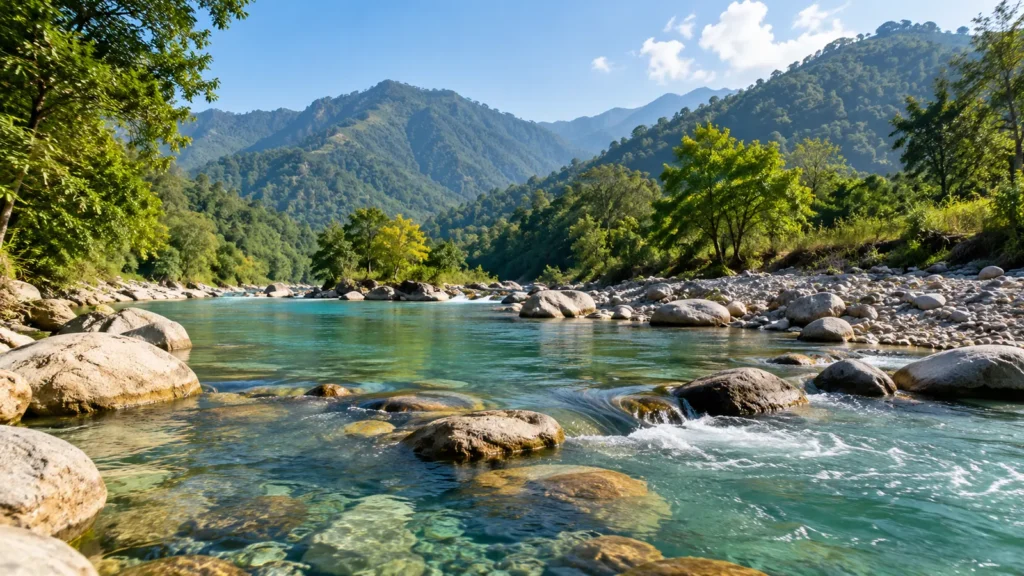
As road access improved and word spread, the area slowly built up around the springs. Bathing tanks, changing rooms, a ropeway, and food stalls were added over the decades, turning a quiet spring into the developed day-trip destination it is now. The natural caves, the Baldi river running alongside, and the surrounding Himalayan foothill greenery remain the core draw, with the commercial additions built around that natural centre.
Why Sahastradhara Is Worth Visiting
The Sulphur Springs and Caves
The main draw is the collection of natural caves where sulphur water drips from stalactite formations. The water is noticeably cool and has a faint sulphur smell, which is part of what visitors come to experience firsthand.
The Waterfall
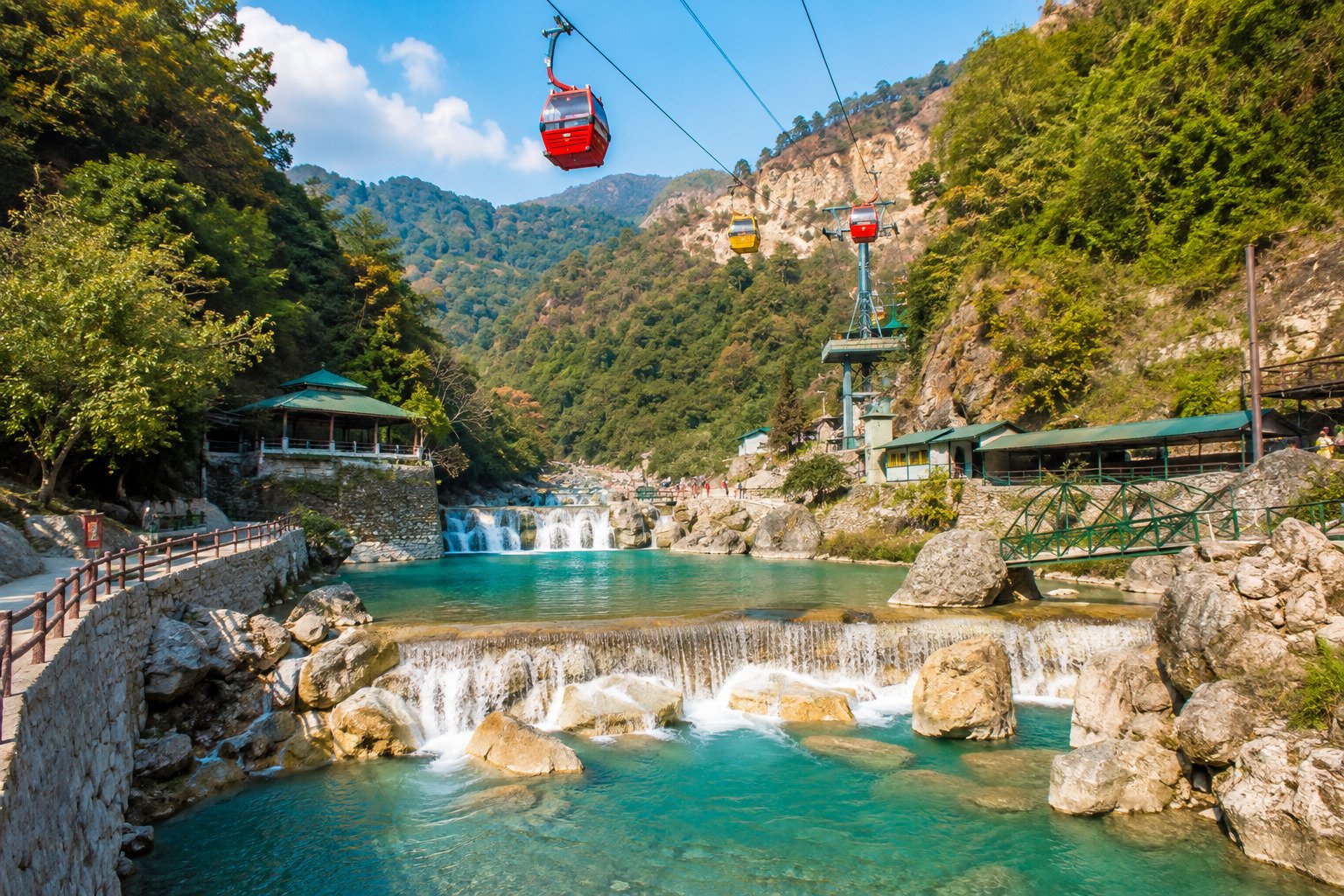
A waterfall cascades down from a height of around 30 feet, and it looks its best during and right after the monsoon, when the flow is strongest. In drier months, the same spot looks calmer and more like a gentle stream.
The Ropeway
A cable car runs up to a hilltop viewpoint, giving you a wide, panoramic view of the valley, the Baldi river below, and the surrounding hills. It is a paid add-on separate from the free general entry, and on a clear day, it is worth the extra ticket.
Joyland Water Park
Right next to the springs is Joyland Water Park, a separate ticketed water park with pools and slides. It is a popular add-on for families travelling with kids who want more than just the natural pools.
Things to Do at Sahastradhara
- Walk through the sulphur spring caves and see the limestone stalactite formations up close
- Take the ropeway up to the hilltop viewpoint for a panoramic view of the valley
- Dip your feet or hands in the sulphur-rich pools, said to help with minor skin conditions
- Visit Joyland Water Park if you are travelling with children and want a more active day out
- Walk along the Baldi river and enjoy the surrounding Himalayan foothill scenery
- Pick up snacks and tea from the small stalls near the entrance
Best Time to Visit Sahastradhara
The right season for Sahastradhara depends on what you are going for.
- Monsoon (July to September): The waterfall is at its strongest and most dramatic. This is the best time if the falls are your main reason for visiting. Paths can get slippery, so watch your footing.
- October to May: Better weather for the ropeway ride, with clearer skies and better visibility from the hilltop viewpoint. Water flow at the falls will be gentler during these months.
- Weekdays over weekends: Sahastradhara gets crowded on weekends and public holidays. A weekday morning visit gives you a much quieter experience.
How to Reach Sahastradhara from Dehradun
Sahastradhara is one of the easier nature spots to reach from Dehradun city, and most visitors combine it with a half-day or full-day plan.
- By road: Take Sahastradhara Road out of the city, past Rajpur and Malsi. The drive takes roughly 30 to 40 minutes depending on traffic, and the route itself is scenic once you clear the city limits.
- By taxi or auto: Local taxis and autos regularly run this route, and it is an easy half-day trip to negotiate for a round trip with waiting time.
- By train: Dehradun Railway Station is the nearest railhead, around 14 to 18 km away, from where you can take a cab directly to Sahastradhara.
- By air: Jolly Grant Airport is about 34 to 36 km away. A prepaid taxi from the airport takes close to an hour.
Practical Tips Before You Go
- Carry cash. Entry to Joyland Water Park, ropeway tickets, and parking are usually collected separately and not everywhere accepts cards.
- Wear footwear with a good grip. Rocks near the springs get slippery, especially with water flow and moss.
- If you are visiting mainly for the waterfall, go in the monsoon. If the ropeway view matters more to you, aim for the cooler, clearer months instead.
- Arrive early on weekends to beat both the crowd and the midday heat.
- The sulphur smell near the springs is normal and expected. It fades once you move away from the immediate spring area.
- Keep small children within reach near the pools. The rock surfaces are uneven in places.
Frequently Asked Questions
Is there an entry fee for Sahastradhara?
General entry to the springs and waterfall area is free for the public. You pay separately if you want to take the ropeway, visit Joyland Water Park, or park a vehicle on site.
How much does the Sahastradhara ropeway cost?
The ropeway typically costs around ₹100 for a one-way ride and ₹180 to ₹200 for a return ticket per person. Rates can shift by season, so confirm at the counter before you go.
What is the best time to visit Sahastradhara?
Visit during the monsoon, from July to September, if you want to see the waterfall at its strongest. For a clearer ropeway ride and pleasant weather, October to May works better.
How far is Sahastradhara from Dehradun city?
It is roughly 14 to 16 km from central Dehradun and takes about 30 to 40 minutes by road, depending on traffic.
Is Sahastradhara good for a day trip with family?
Yes. The natural springs, caves, ropeway, and the nearby Joyland Water Park together make it a well-rounded half-day to full-day outing for families, including young children.